
The Hidden Costs of Wedding Venues: What Couples Forget to Budget For
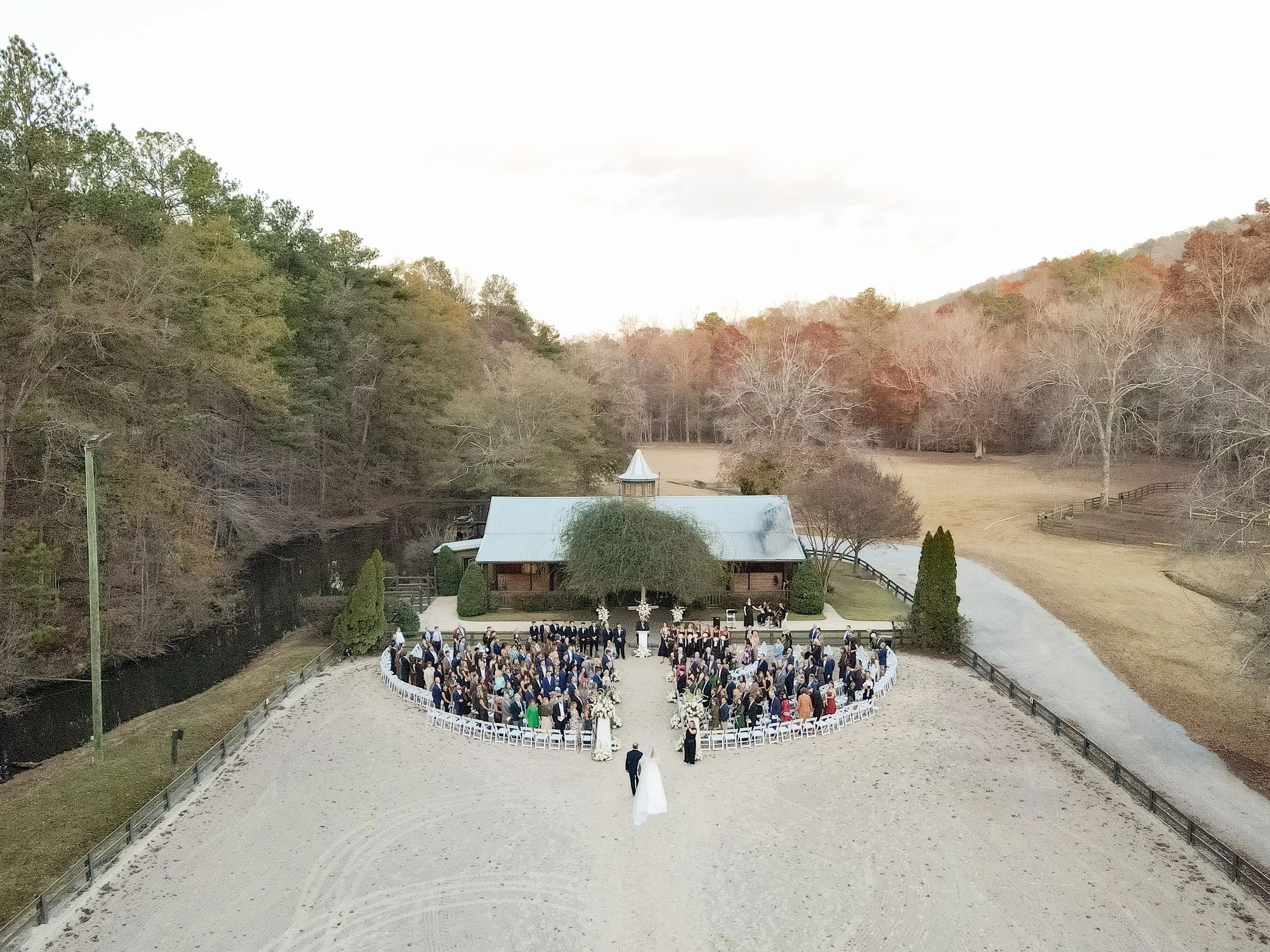



When couples begin touring wedding venues, one of the first numbers they usually compare is the venue rental price.
That number matters, but it rarely tells the entire story.
Two venues with similar starting prices can result in very different final budgets depending on what is included, what must be rented separately, which vendors are required, and how the venue handles weather, staffing, setup, and cleanup.
The most important question is not simply:
How much does the venue cost?
It is:
What will it actually cost to host our wedding here?
At Windwood, we believe transparency is one of the most important parts of the planning process. Couples should understand what they are receiving, what they may need to add, and how those decisions could affect the total wedding budget.
Before booking a wedding venue in Alabama, here are the commonly overlooked expenses every couple should ask about.
1. Tables, Chairs and Linens
A venue may provide a beautiful setting without including the basic furnishings needed to host a ceremony or reception.
Before booking, ask:
Are ceremony chairs included?
Are reception tables included?
Are linens included?
Is setup included?
How much will additional furniture cost?
Must those items come from a specific rental company?
Tables, chairs and linens can represent a significant part of a wedding budget, especially as the guest count grows.
At Windwood, the venue rental includes:
Ten 60-inch round reception tables
Ivory or black linens for those tables
Seventy-five Chiavari chairs
Additional furniture, linens and decorative pieces can be rented through Windwood’s rental collection.
We intentionally provide couples with a useful foundation while allowing them to build the wedding they actually need.
We do not believe every couple should pay for the same oversized package, particularly when their guest counts, ceremony plans and design preferences may be completely different. This approach helps our couples avoid paying for items they will not use while still giving them convenient access to additional rentals.




2. Setup, Breakdown and Labor
Renting a chair or table is not always the end of the expense.
Couples should also ask who will:
Accept rental deliveries
Move furniture into place
Set the ceremony
Change layouts during the event
Break everything down afterward
Prepare rentals for pickup
Some rental quotes cover only the items themselves. Delivery, setup, labor and late-night pickup may be separate charges.
Ask each venue exactly which responsibilities belong to its team, your planner, your vendors or your family.
A lower rental price may not be a savings if it leaves your wedding party responsible for moving furniture at the end of the night.
3. The Rain Plan
A weather backup plan is one of the most important expenses to understand when considering an outdoor wedding venue.
Ask:
What is the rain plan?
Is a covered alternative already available?
Is a tent required?
How much does the tent cost?
Is there a fee to reserve it?
Does the reservation payment apply toward the final rental?
When must the weather decision be made?
Couples are sometimes surprised to learn that holding a tent can require a large payment, even when the tent is ultimately not used.
At Windwood, couples may reserve our courtyard rain-plan option for $750. This holds the appropriately sized tent for the courtyard, and the full $750 is applied toward the rental if the rain plan is enacted.
The tent can be customized with clear or white options and elegant interior draping. These installations are so beautiful that some couples choose a tent as part of their original design rather than viewing it only as a backup.
A thoughtful rain plan should protect the experience without creating unnecessary uncertainty in the budget.
4. Coordination and Venue Management
Couples often assume that a venue manager, wedding planner and day-of coordinator perform the same role.
They usually do not.
A venue manager generally protects the property and handles venue-related responsibilities. A wedding coordinator manages the couple’s timeline, vendors and wedding-day details. A full-service planner may begin working months before the event and guide the entire planning process.
Ask:
Is coordination included?
What level of coordination is provided?
Who creates the wedding-day timeline?
Who communicates with vendors?
Who directs the ceremony?
Who handles personal décor?
Who will be on-site throughout the event?
Windwood offers a variety of packages, from day-of coordination to full service design and planning services for couples who want more support.
Our dedicated venue team is also on-site for every event, and Windwood’s owners are frequently involved in overseeing the larger picture of the wedding day.
Understanding the difference between venue management and wedding coordination will help you budget correctly and ensure that no important responsibility is overlooked.
5. Required or Exclusive Vendors
Some venues require couples to use specific caterers, bartenders, planners or rental providers.
There can be benefits to working with vendors who already know a property, but exclusive vendor requirements may also affect your budget and limit your choices.
Ask:
Are any vendors required?
Is there a minimum catering or bar spend?
Can we bring our own planner?
Is there a fee for using an outside vendor?
Are we required to use the venue’s rental company?
Can we choose vendors that fit our priorities and budget?
Windwood has an open vendor policy.
We are happy to share trusted recommendations, but couples have the flexibility to assemble the team that best fits their wedding. That freedom can be particularly valuable when a couple already has a relationship with a caterer, photographer, planner or other professional.







6. Catering and Bar Minimums
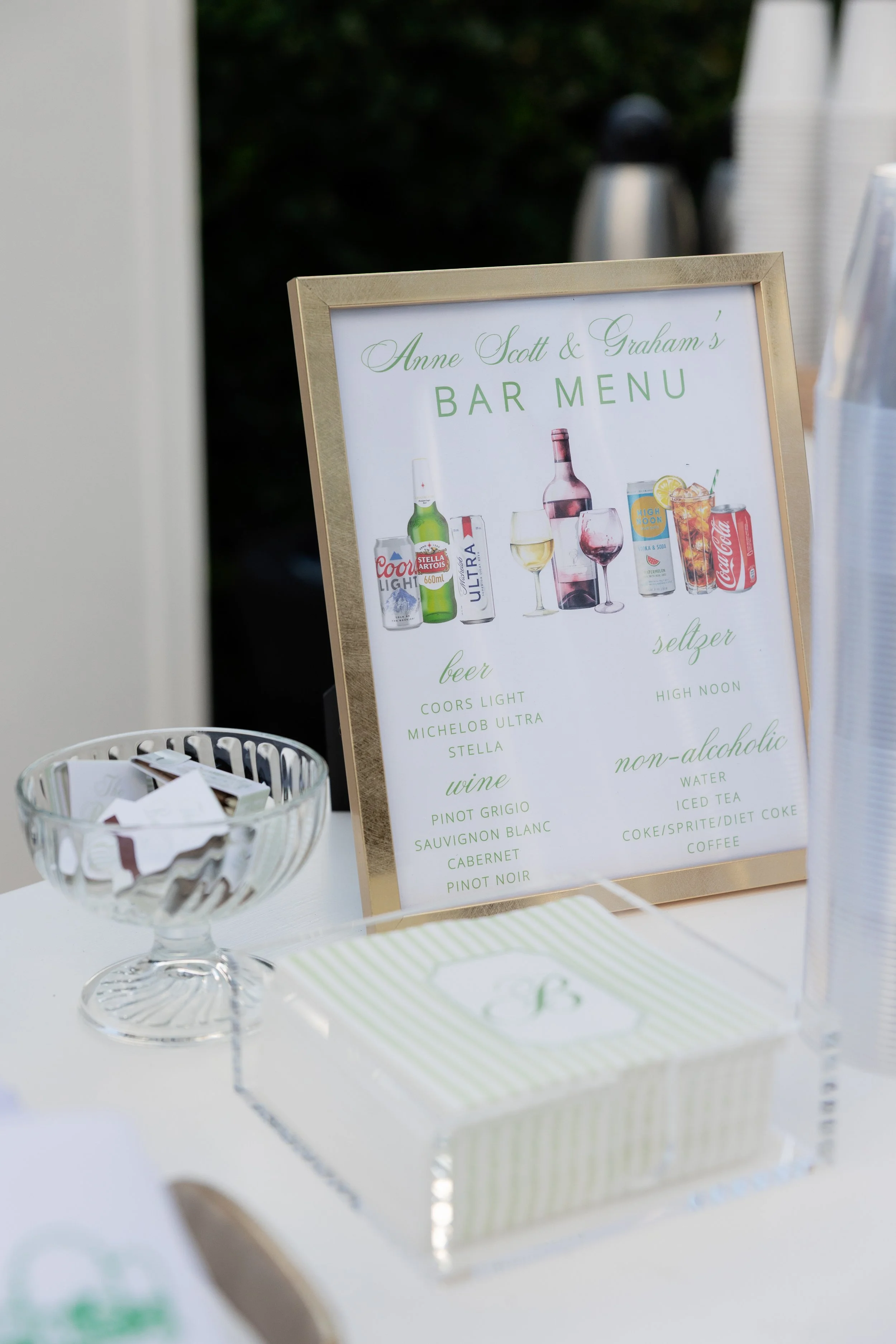
Food and beverage expenses are often calculated per guest, but the menu price may not include every related charge.
Depending on the caterer or venue, additional costs could include:
Service staff
Bartenders
China, flatware and glassware
Catering equipment
Cake cutting
Corkage
Gratuity
Administrative fees
Sales tax
Minimum food or beverage spending
Ask for a complete estimate based on your expected guest count rather than relying only on a per-person menu price.
A $50-per-person meal for 150 guests is not necessarily an $7,500 catering bill once staffing, rentals, taxes and service charges are included.
7. Overtime and Access Hours
Venue access is not always unlimited.
Ask:
What time may the wedding party arrive?
When may vendors begin setup?
What time must the reception end?
How long is allowed for cleanup?
What happens if vendors arrive early?
What is the overtime rate?
Are there additional charges for rehearsals or multiple events?
A beautiful wedding design may require several hours of installation. If your florist, rental company or production team cannot access the venue early enough, additional labor or expedited setup charges may be necessary.
Understanding access hours before hiring vendors protects both your timeline and your budget.
8. Transportation, Parking and Guest Logistics
Some venues require shuttles, valet service, parking attendants or transportation between ceremony and reception locations.
Ask:
Is parking available on-site?
Is parking complimentary?
Are attendants required?
Will guests need a shuttle?
A property with multiple spaces that guests can move between easily may reduce the need for additional transportation and simplify the experience.
9. Security, Insurance and Permits
Depending on the property, municipality and type of event, couples may be asked to provide:
Event insurance
Security personnel
Alcohol permits
Tent permits
Parking permits
These requirements are common, but couples should know about them before signing a contract.
Ask the venue to identify any required documentation, personnel or permits and clarify who is responsible for arranging and paying for them.
10. Cleanup, Trash Removal and End-of-Night Responsibilities
No couple wants to end the wedding night wondering who is responsible for trash, décor or leftover personal items.
Ask:
Who removes trash?
Who packs personal décor?
Who removes flowers?
Who loads gifts?
Who clears tables?
Can items remain overnight?
Are cleanup fees included?
Make sure these duties are assigned before the wedding day. Otherwise, they may fall unexpectedly to family members, the wedding party or vendors who were not hired for that work.
How to Compare Wedding Venues Fairly
The best way to compare venues is to create a complete cost estimate for each one.
Do not compare only the base rental prices.
For every venue, account for:
Included tables and chairs
Linens
Additional rentals
Weather backup
Coordination
Setup and breakdown
Required vendors
Catering and bar minimums
Staffing
Security
Transportation
Power and lighting
Overtime
Taxes and service fees
Transparency Is Not Just About Price
Transparent pricing does more than help couples stay on budget.
It builds trust.
Couples should feel comfortable asking what is included, what is optional and what circumstances might create an additional expense. A professional venue should be able to explain those details clearly.
At Windwood, we want couples to have enough included to begin planning confidently while retaining the freedom to make the wedding their own.
Our couples receive a useful foundation of tables, linens and chairs, then have access to additional in-house rentals, planning services, an open vendor policy and a practical courtyard rain plan.
The result is flexibility without forcing every wedding into the same package.
Questions to Ask Before Signing a Wedding Venue Contract
Before booking, ask the venue:
What is included in the rental price?
Which furnishings must be rented separately?
What is the weather backup plan?
Is coordination included or optional?
Are any vendors required?
Are there catering or bar minimums?
What are the setup and cleanup responsibilities?
Are there overtime or extended-access fees?
Are security, insurance or permits required?
What expenses should we expect beyond the advertised rental price?
The answers should make you feel more confident, not more confused.
Find the Venue That Fits Your Wedding
The best wedding venue is not necessarily the one with the lowest starting price or the longest list of included items.
It is the venue that provides the right combination of beauty, flexibility, support and transparency for the wedding you want to create.
Ask detailed questions. Request a complete estimate. Read the contract carefully. Think about the entire experience, not just the photographs.
When you understand the real cost from the beginning, you can make decisions with confidence and spend your wedding budget where it matters most to you.
Planning a Wedding in Alabama?
We would love to show you how weddings work at Windwood.
During your tour, we can discuss what is included, explore our in-house rental options, review layouts for your guest count, explain our courtyard rain plan and help you understand which services best fit your celebration.
Frequently Asked Questions About Wedding Venue Costs
What costs are commonly not included in a wedding venue rental?
Depending on the venue, additional costs may include tables, chairs, linens, setup, cleanup, coordination, weather backup, security, staffing, transportation, power, overtime and required vendor minimums.
Are tables and chairs included at Windwood?
Windwood’s venue rental includes ten 60-inch round reception tables with ivory or black linens and 75 Chiavari chairs. Additional items may be selected from the in-house rental collection.
Does Windwood have a rain plan?
Yes. Couples can reserve a hold on the appropriately sized courtyard tent for $750. If the rain plan is enacted, the full amount applies toward the tent rental. Read more here.
Does Windwood require specific wedding vendors?
Windwood offers an open vendor policy. Couples may build the team that fits their vision and budget, while still receiving trusted recommendations when desired.
Is wedding coordination included in the venue rental?
Coordination is available as a separate service.
How can couples avoid surprise wedding costs?
Ask each venue for a detailed explanation of inclusions, optional services, required vendors, weather plans, staffing, access hours, overtime and any additional fees before signing the contract.